
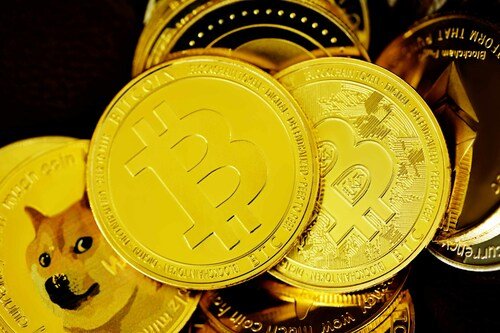
At first glance, Dogecoin might seem like an internet joke that went too far — a Shiba Inu meme turned into a cryptocurrency.
But behind the memes and comic relief lies a deep-rooted psychological connection between the coin and its community. Years after its creation in 2013, Dogecoin still has loyal followers who believe in its future. But what keeps this belief alive, especially when more technologically advanced or fundamentally strong projects exist?
The answer lies in psychology. Dogecoin’s origin as a parody made it approachable. Unlike the serious tone of Bitcoin or Ethereum, Dogecoin felt like a breath of fresh air — a playful alternative that didn’t take itself too seriously. This lightheartedness attracted people who might have otherwise been intimidated by crypto. When people find something that makes them feel included, they tend to stick with it. That sense of belonging turned Dogecoin from a meme into a movement.
There’s also the phenomenon of emotional investing. While traditional investors lean on charts and financial models, crypto investors are often driven by feelings — excitement, fear, hope. Dogecoin appeals to these emotions in a way that few other cryptocurrencies do. Its supporters often describe themselves as part of a cause, not just a financial venture. This emotional attachment plays a big role in Dogecoin loyalty.
Social proof is another strong factor. When public figures like Elon Musk tweet about Dogecoin, it creates a validation loop. People feel more confident in their investment when influential voices support it. For many new investors, especially during bull runs, seeing DOGE trend on Twitter or Reddit acts as encouragement. It becomes more than just a coin — it turns into a social event.
Humor is a critical piece of the DOGE psychology puzzle. The crypto space can be intense, technical, and even toxic. Dogecoin offers an escape from all that. It invites people to have fun, laugh a little, and not overthink every price movement. This simplicity is both its charm and its staying power. In an industry filled with complexity, Dogecoin offers clarity — buy the coin, enjoy the ride, and don’t take yourself too seriously.
But it’s not all jokes and memes. Over the years, the Dogecoin community has organized fundraisers, sponsored sports teams, and supported charitable causes. These real-world actions helped strengthen the community’s identity. Being part of DOGE is often about more than money — it’s about being part of something good-hearted and inclusive.
The concept of the “underdog” also runs deep. People love to root for the unexpected winner, and Dogecoin embodies that spirit. Despite being dismissed by experts, overlooked by developers, and questioned by analysts, it continues to survive. And not just survive — at times, it thrives. For many holders, staying with DOGE is a statement of belief in the unconventional. That kind of emotional investment is hard to shake.
Cognitive bias plays a role as well. The sunk cost fallacy — the idea that once you’ve invested time or money, you’re more likely to stick with it — can explain why some people continue to hold DOGE even during downturns. It’s not just about waiting for profit; it’s about justifying past decisions. This keeps the community active and engaged even during bear markets.
There’s also the allure of redemption. For some, Dogecoin represents the idea that anything is possible. Many who missed out on Bitcoin’s early days see DOGE as their second chance. Whether or not that’s realistic is another question, but psychologically, it fuels hope — a powerful motivator in any market.
Finally, Dogecoin taps into a very human trait: storytelling. Every investor wants to be part of a great story. DOGE offers a unique narrative — a coin that started as a joke, defied the odds, and captured the world’s attention. That kind of story is hard to resist.
Dogecoin might not have the most advanced tech, but it has something many other projects lack — a soul. Its community is driven not just by potential gains, but by camaraderie, fun, and an underdog spirit. That’s the psychology behind Dogecoin, and it’s why people still believe.